
Workplace incidents are always going to happen. It’s an unfortunate aspect of any industry, with some being more serious than others. Under Australian Work Health and Safety (WHS) legislation, certain incidents have to be reported to regulators. These are known as notifiable incidents.
So, what is a notifiable incident in practice? It’s defined as being a serious workplace event that must be reported. The reason behind this is so it can be investigated and used to prevent similar incidents from taking place in the future.
Having the best possible understanding of this requirement is fundamental to all businesses. It’s a key part of compliance, creates a more comprehensive approach to incident management and ensures a safer workplace for staff, clients and customers.
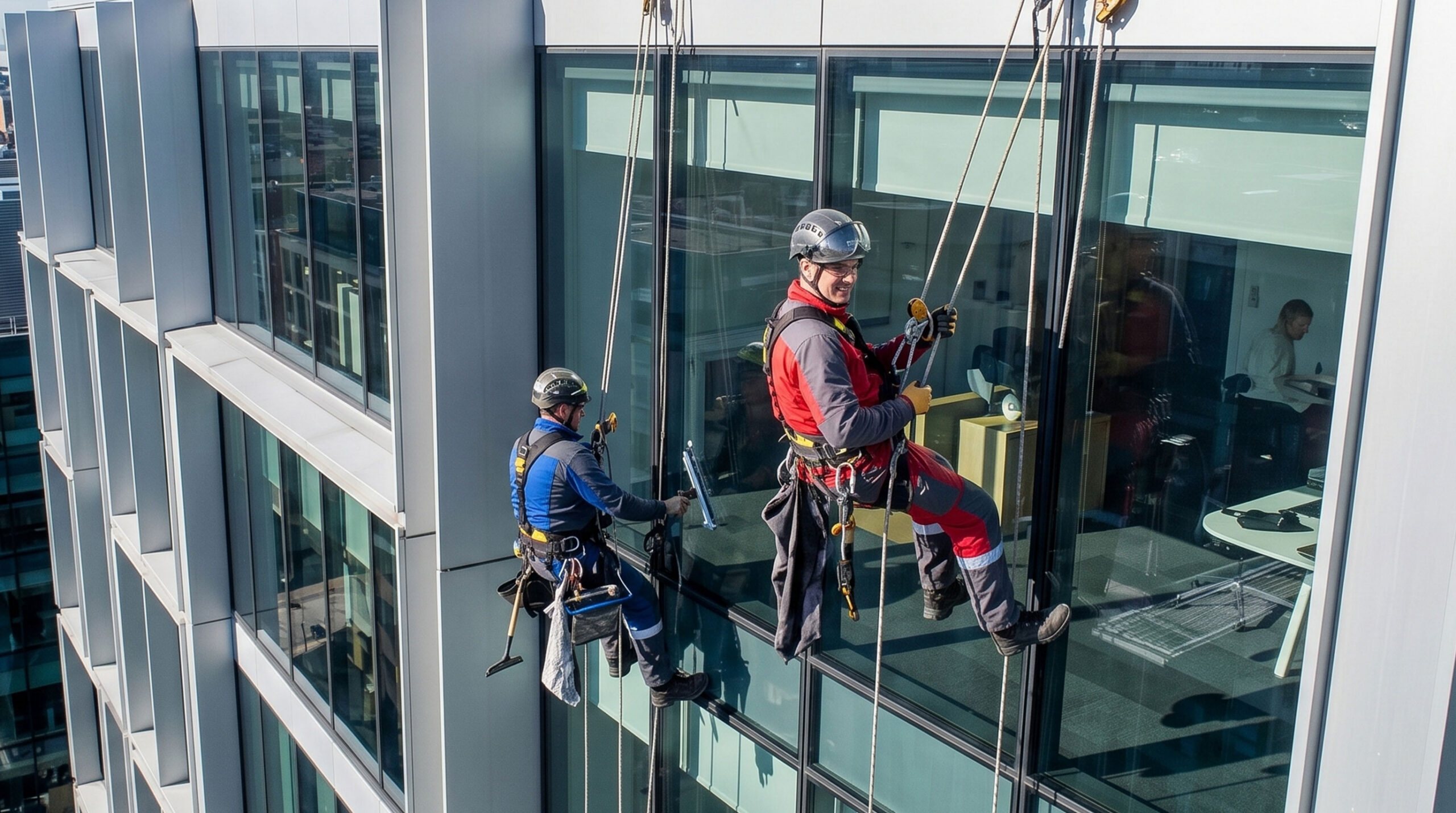
What is a notifiable incident?
A notifiable incident is a serious work-related event that must be reported to the relevant WHS regulator in your state or territory. Under WHS laws, notifiable incidents fall into three main categories:
- The death of a person
- A serious injury or illness
- A dangerous incident
These incidents indicate a high level of risk and immediate action has to be taken. They are often linked to gaps in hazard controls, which is why they are closely tied to processes like a risk assessment.’
Serious injury or illness
Not every workplace injury has to be reported and it’s only the most serious cases that meet the threshold. A serious injury or illness is usually something that involves urgent medical treatment or long-term harm. This covers injuries requiring immediate hospital admission, serious head injuries, major burns, amputations, spinal injuries, or loss of bodily function. It can also include serious infections as a result of workplace exposure.
These types of incidents often indicate that existing controls have failed and require immediate attention to restore a safe working environment.
Dangerous incident
A dangerous incident is an event where a worker is exposed to serious risk, even if no injury occurs. The best way to think about this is a near miss that could have resulted in severe harm. Some examples include structural collapse, uncontrolled chemical spills, explosions, fires, or equipment failure.
Dangerous incidents are critical warning signs, highlighting risks that need to be mitigated before they lead to injury.
Who must notify and how?
The responsibility to report a notifiable incident sits with the Person Conducting a Business or Undertaking (PCBU).
The PCBU must notify the WHS regulator immediately after becoming aware of the incident. Ultimately the responsibility remains with the business, even if multiple parties are involved in the work.
Notification must be made using the fastest possible method, usually by phone. Each state or territory regulator has its own process, but immediate communication is necessary. Written notification may also be required to bolster the initial report.
WHS Monitor allows businesses to capture incident details quickly and accurately, ensuring information is ready for reporting and aligned with broader incident management processes. This reduces inconsistencies and improves response times.
Duty to preserve the incident site
After a notifiable incident, the site has to be preserved. What this means is that without exception nothing should be disturbed until an inspector arrives or provides direction. The purpose is to preserve the site to allow regulators to investigate and determine the root cause of the incident.
The site may only be disturbed if it’s necessary to assist an injured person, remove a deceased person, make the area safe, or prevent further harm. Outside of these circumstances, the scene must always remain unchanged.
The purpose of notifying
Reporting notifiable incidents is integral to workplace safety. It allows regulators to investigate and identify root causes, preventing similar incidents from occurring in the same workplace or industry wide.
It also provides a better understanding of any internal safety improvements. When incidents are reported and analysed alongside risk assessments, businesses can see process failures, address recurring issues and build an overall approach that ultimately maintains a safe working environment.
WHS Monitor enables this process by linking incident reporting with risk assessments and corrective actions, helping businesses to respond quickly.
The risk of non-compliance
Failing to report a notifiable incident is a serious offense under WHS legislation. Significant penalties can apply, including fines and even legal consequences. Beyond compliance, failure to report can leave risks unmanaged and increase the likelihood of further incidents.
Final thoughts
Understanding what constitutes a notifiable incident is essential for operating under WHS laws. These incidents highlight serious risks that require immediate action, reporting, and review. By identifying notifiable incidents, reporting them promptly, and learning from them, businesses can improve safety, reduce risk, and protect their workforce.
WHS Monitor simplifies reporting, improves visibility, and integrates incident data with risks and controls creating a workplace that’s safe and compliant for everyone.


Login to your Account