Get free consultation from one of our safety specialists
A WHS Monitor safety specialist will contact you to assess your needs and demonstrate a system that suits your business.

Maintaining a workplace that’s safe and compliant begins with understanding the risks involved in everyday tasks. One of the most direct and effective ways to achieve this is by completing a job safety analysis (JSA).
But, what is a JSA in practice? A Job Safety Analysis is a structured workflow that identifies hazards linked to specific job tasks, and determines how those risks can be controlled. The goal is simple; to prevent incidents before they occur by planning and implementing safe ways to carry out work.
This article is going to explorethis workplace must-have, helping you to set up and maintain an environment that’s safe, compliant and controlled.

We’ve already got a basic understanding of what a JSA is, but let’s take it further. A job safety analysis is a systematic process that breaks a job down into individual steps. Each step is then assessed to identify any potential hazards and determine how those hazards can be managed in the best possible way.
JSAs don’t deal with a task as a whole. Instead, a JSA focuses on the details. It examines how work is actually performed, step by step, then flags any areas where risks exist. Once risks are established then potential control measures are put in place to eliminate or reduce the hazards. The controls will now be built into how the task is carried out on site so work is always carried out safely.
You may also hear a JSA referred to as a Job Hazard Analysis (JHA). These terms are used interchangeably by many and while the name may vary, the purpose remains roughly the same; to proactively manage risk before work begins.
For a broader approach that includes environmental factors, see our guide on what is JSEA used for.
The job safety analysis process follows a logical sequence that can be applied across different industries and tasks. The obvious starting point is with the job itself, with priority given to tasks that involve higher risk, have a history of incidents, or introduce new processes.
Once identified, the job is disassembled into a clear sequence of steps that reflect how the work is actually carried out, covering the task, its location, environment and assets or tools used. Taking a structured approach makes sure each part of the task is assessed in detail so nothing gets overlooked.
For each step, hazards are identified using observation, consultation with workers and review past incidents or near misses. Hazards are wide ranging and it’s dependent on the industry you operate within. They can include physical risks such as machinery or moving equipment, chemical exposure, ergonomic strain from lifting, or environmental conditions. Strong reporting systems support this process by capturing real-world data and highlighting recurring risks.
Risk is considered for each hazard. While not always presented as a separate step, the likelihood of harm and the severity of the outcome are taken into account to determine risk severity and where attention should be focused.
Control measures are developed in response to the identified risks. These controls adhere to the hierarchy of controls so the most effective solutions are applied first. For higher-risk activities, this process may also link to a formal SWMS risk assessment. In many cases, responsibility is assigned at this stage to ensure accountability and clarity around who is responsible for implementing and monitoring each control.
WHS Monitor allows users to assign corrective actions, attach supporting evidence such as images or notes and track completion with digital sign-off. Controls are not only identified, but also actioned and monitored in real time.
The completed JSA is then reviewed and approved by supervisors or relevant personnel to confirm it is accurate, practical, and suitable for the worksite.
Post-approval, findings are communicated to workers through toolbox talks, inductions, or task briefings. This ensures everyone understands how to perform the task safely and what controls must be followed.
There is no final step; JSA should be reviewed and updated regularly. Changes in equipment, processes, or incidents should trigger updates to keep the document relevant. WHS Monitor enables real-time updates and centralised version control, so all workers are accessing the latest procedures, while giving managers full visibility of risk trends across the business.
Understanding the difference between a JSA and SWMS can also help determine when additional documentation is required.
Job safety analysis is crucial to many businesses and industries. They are fundamental to improving safety across a wide range of workplace activities, limiting workplace accidents, injuries, and illnesses by identifying hazards before work begins. They are also widely used for training new employees, giving them crystal-clear guidance on how to perform tasks safely.
JSAs support the development of safe work procedures and ensure consistency across teams. They can also be used during incident investigations to identify what went wrong and prevent recurrence.
More broadly, a JSA strengthens WHS planning, improves communication and supports safer day-to-day operations across so many industries.
Understanding what a JSA is and how to apply to your workplace is central to health and safety. It’s a simple but powerful tool that identifies risks, applies the relevant controls and prevents incidents before they have the chance to cause damage.
When used consistently, a job safety analysis strengthens compliance, improves communication and creates a safer workplace for all.
WHS Monitor simplifies how businesses manage JSAs by combining ready-to-use templates with a centralised risk management system that allows workers to easily link existing controls from the controls register. Teams have the power to create, track, and update JSAs efficiently, with automated workflows, real-time hazard reporting and digital sign-off there to keep processes consistent, compliant, and easy to manage.

The terms OHS (Occupational Health and Safety) and WHS (Work Health and Safety) are generally used interchangeably in the workplace. However, there are fundamental distinctions between the two – particularly within the Australian context.
Both frameworks relate to the protection of workers and maintenance of safe workplaces, but importantly each derives from different regulatory eras. In a way, they’re a reflection of an evolution in how workplace safety is understood and managed. This blog outlines the difference between OHS and WHS, and why it matters for businesses operating in Australia today.

Occupational Health and Safety (OHS) – sometimes referred to as OH&S – is the traditional term used for workplace health and safety systems, laws, and practices.
When considering what OHS/WHS is, the best way to think about OHS is as the earlier framework. It focused primarily on preventing workplace accidents and physical injuries.
It focuses on maintaining workplaces that are safe through structured rules, compliance requirements and established safety practices. OHS typically includes formal occupational health and safety OHS procedures.
Common OHS concerns include:
These policies and procedures control physical hazards and minimise workplace injury rates.
Work Health and Safety (WHS) is a contemporary term used in Australia, following the introduction of harmonised WHS legislation across most states and territories.
You will often see this written as OHS/WHS, reflecting the overlap between the older and newer terminology. There are subtle differences however. WHS expands on traditional OHS principles by taking a broader and more holistic view of worker health and safety.
The focus isn’t on physical hazards, but both physical safety and psychological wellbeing as well. This means WHS addresses not only how workers can be protected from injury, but also how work affects mental health and wellbeing.
Examples of WHS concerns include:
WHS reflects a modern understanding that health and safety is not only physical, but also psychological and organisational.
The main differentiator between OHS and WHS is scope. OHS is primarily focused on physical safety and the prevention of workplace injuries. WHS, however, has a broader scope that includes both physical safety and psychological health.
A simple way to understand it is:
In other words, WHS expands the lens from simply preventing accidents to creating healthier, safer, and more sustainable workplaces overall.
The shift from OHS to WHS was driven by the need to create a consistent national approach to workplace safety regulation. Previously, different states and territories had varying OHS/WHS laws and terminology, resulting in substantial confusion for organisations operating across multiple jurisdictions. Most Australian states and territories adopted harmonised WHS legislation to address this, creating a unified national framework.
Today, WHS is the dominant legal framework but it’s common for many businesses and workers to still use the term OHS. You will often see OHS and WHS used together, even though WHS is the current legislative standard in most jurisdictions.
The move from OHS to WHS reflects a growing understanding of what workplace safety truly involves.
Key drivers of this shift include:
Modern WHS frameworks acknowledge that a truly safe workplace must manage both physical and psychological risks.
Digital systems such as the WHS Monitor app help organisations support this broader approach by centralising reporting, monitoring risks and improving visibility across both physical and psychosocial hazards. This makes it easier to maintain compliance and strengthen overall safety outcomes.
For businesses operating under WHS legislation, the expanded scope means safety management must go beyond traditional OHS/WHS procedures. Workplaces must now consider a wider range of risks, including psychosocial hazards such as stress, fatigue and issues in workplace culture.
This requires stronger systems of management, including:
Ultimately, WHS requires a more proactive and integrated approach to managing workplace safety.
OHS and WHS are often used interchangeably, but there is an important distinction between the two. You may still see OHS/WHS used across different workplaces and industries, but understanding the difference is important – particularly within the Australian legal context.
For organisations navigating this broader scope, working with the right system in place is critical. WHS Monitor brings both physical and psychosocial risk management into one platform, giving teams the visibility, structure and consistency needed to manage obligations. Partner with WHS Monitor, and build safer, more resilient workplaces today.
Under Australian Work Health and Safety (WHS) legislation, the term PCBU stands for Person Conducting a Business or Undertaking. But what is a PCBU?
The simplest explanation is that it identifies who is legally responsible for workplace health and safety. The focus isn’t on titles or hierarchy; it’s a clear framework for understanding where the primary duty of care sits and how workplace safety should be managed.
At its core, the PCBU framework ensures that anyone conducting a business or undertaking is accountable for the work workers carry out.

A PCBU (Person Conducting a Business or Undertaking) is the individual or organisation that holds the primary duty of care under WHS laws.
So, when considering the questions of ‘what is PCBU’, it isn’t defined by job title alone, but by whether a person or organisation is conducting a business or undertaking.
A PCBU can include:
Defining WHS obligations broadly ensure they apply across all forms of work arrangements, spanning small businesses to large government operations.
The key principle is simple: if you’re conducting a business or undertaking, you are a PCBU and therefore responsible for carrying out health and safety duties.
A PCBU has a legal duty to maintain the health and safety of anyone who may be affected by the business or undertaking. This responsibility is ongoing and hazards must be identified and controlled prior to harm.
Key responsibilities include:
PCBUs must ensure – so far as is reasonably practicable – that a workplace is safe and without risks to health. This includes maintaining a consistently safe working environment across all operations.
All equipment, machinery and structures must be safe to use at all times. In practice this means they’re properly maintained and suitable for the work being carried out.
Work processes must be designed and implemented to reduce risk, including procedures for routine and high-risk tasks. Strong project management practices play a key role in the planning, communication,and application of these systems.
PCBUs must prioritise the safe handling, usage, storage and disposal of hazardous materials and equipment.
Workers must have access to appropriate facilities such as drinking water, toilets, washing areas, and rest spaces where required.
Workers must be given the necessary knowledge and supervision to perform tasks safely and competently.
PCBUs are required to monitor workplace conditions and worker health in cases where risks exist.
The term reasonably practicable is central to WHS obligations. It refers to what a PCBU can reasonably do to eliminate or minimise risks, taking into account:
In practice, it means PCBUs are expected to carry out reasonable steps to create and maintain safe working conditions for all, rather than relying on minimum compliance alone.
Not every person in a workplace is a PCBU. For example; employees, contractors and workers are not PCBUs under WHS legislation. Instead, they have their own duties, which generally include:
The distinction is important:
Many workplaces will have multiple PCBUs operating at the same time. In construction or large-scale operations, there may be a principal contractor alongside multiple subcontractors – all of whom may be PCBUs.
Here, each PCBU retains its own duty of care. However, they must also:
This is particularly important should project management structures involve multiple teams working across overlapping scopes of work.
Failure to comply with WHS obligations can result in significant penalties for PCBUs, particularly where breaches lead to serious injury, illness, or death.
Beyond financial penalties, non-compliance can also result in:
Because of these risks, many organisations are strengthening their WHS systems with digital tools.
The WHS Monitor app helps PCBUs maintain compliance by centralising incident reporting, risk assessments and safety documentation. It supports better oversight of WHS obligations and provides a clear audit trail of safety activity. This enables an organisation to quickly demonstrate compliance if necessary.
Understanding what a PCBU is remains fundamental to understanding wider Australian WHS law. Whether operating as a sole trader or a large organisation, every PCBU has a legal obligation to maintain a safe working environment, manage risks and protect workers.
When supported by structured systems, strong project management practices, and digital safety tools, these obligations become easier to manage consistently and effectively across all workplaces.
Workplace accidents rarely happen without warning. In most instances, the hazard existed before the task began and simply went unnoticed. The Take 5 safety procedure exists to close that gap.
This simple OHS procedure is defined as a brief, structured pre-task risk assessment that gives workers an opportunity to identify hazards. It also enables staff to think through the risks and put correct controls in place before starting work. Simple in concept and powerful in practice, Take 5 safety has become one of the most widely adopted workplace safety tools found across Australian industries.
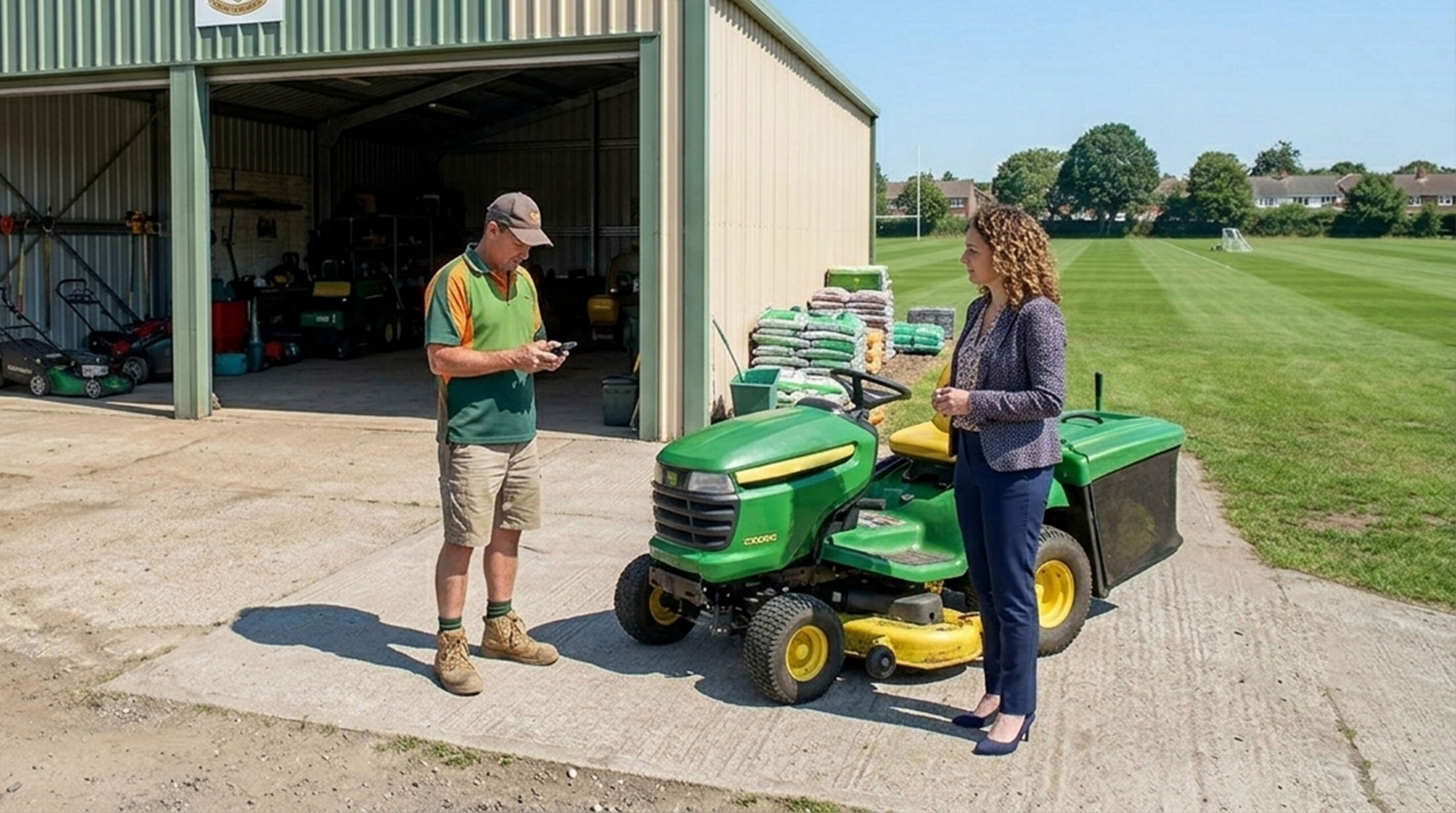
Take 5 safety is a five-step process that workers follow immediately before beginning a task. The name reflects the idea that pausing for five minutes, or even five seconds of focused thought, is enough to dramatically reduce risk of an incident.
Rather than relying on formal job hazard analyses for every single task, Take 5 is a lightweight, practical framework that any worker can apply in the field, on the floor, or on site. It’s proactive by design. Take 5 encourages workers to anticipate what could go wrong and address it before work begins.
This is not a replacement for comprehensive safety management systems, but it is an essential daily habit to support them. When embedded into workplace operations, Take 5 risk assessment becomes a reflexive behaviour that supports every task, no matter how routine.
Before operating equipment or beginning an activity, take a deliberate moment to visually survey the work area and the task ahead.
Look for anything that could cause harm. This includes obvious hazards such as spills, unsecured loads, or live electrical equipment, as well as less visible risks like changing weather conditions, unfamiliar surroundings, or the presence of other workers in the vicinity. The goal at this stage is observation, not assessment.
Workers who rush past this step are the most likely to encounter an unexpected hazard. The act of stopping, even briefly, disrupts the momentum that often leads to complacency.
Once potential hazards have been identified, take time to think about them further. What could actually go wrong? Who could be harmed and under what circumstances?
This step shifts from observation into analysis. Take 5 risk assessment example; a wet floor is a hazard. Thinking about it means considering that a colleague carrying heavy equipment could slip, fall, or sustain a serious injury. That change from noticing to understanding is what drives meaningful action.
Thinking also involves considering the context of the task. Has anything changed since this work was last performed? Are there time pressures that might encourage shortcuts? Is the equipment in the expected condition? Asking these questions takes only a number of seconds but can surface risks that would otherwise be overlooked.
With a clear understanding of the hazards and the potential consequences, you now need to assess the level of risk. This means evaluating two things: the likelihood that the hazard could cause harm, alongside the severity of that harm if it did.
A hazard with a low likelihood of causing harm and a minor consequence represents a low risk. A hazard with a high likelihood of occurring and the potential for serious injury or fatality represents a critical risk. The latter demands immediate action before work proceeds.
This is where digital tools are most effective. The WHS Monitor app enables workers and supervisors to conduct and record risk assessments in real time, directly from a mobile device. Forms, hazard assessments can be logged, categorised and escalated instantly, with no need to rely on memory or paper. This creates an auditable record that supports compliance obligations and gives safety managers clear visibility across operations.
After risk assessment, implement a plan to control them before the task begins. Risk controls should be selected in accordance with the hierarchy of controls, which moves from most to least effective:
The plan doesn’t need to be complex. For most tasks, a simple control like the placement of a wet floor sign or the isolation of a piece of equipment is sufficient. What matters is that a deliberate decision has been made about the management process of that risk.
Before beginning the task, confirm that the plan is understood, the controls are in place and everyone involved in the work has a detailed understanding of hazards and what has been done to address them. Then proceed with the task, following the plan as agreed.
This final step closes the loop. It transforms the assessment from a mental exercise into a committed course of action. Remember; workers should not begin until they are satisfied that the controls are genuinely in place, not simply assumed.
Once again, the WHS Monitor app supports this step fully. It allows workers to submit completed Take 5 risk assessments digitally, capture photographic evidence of hazards and controls and obtain sign-off from supervisors when required. All records are stored centrally for ease of access for audits, incident investigations, or safety reporting.
When applied consistently, Take 5 delivers measurable improvements to workplace safety. Key benefits include:
Take 5 risk assessment is relevant in any situation where a task is about to begin. However, there are specific circumstances where its application is of greater importance:
Before starting any task, regardless of how familiar or routine it may seem. Familiarity is one of the leading contributors to workplace complacency. The tasks workers perform most often are often the ones they assess least carefully. Take 5 safety disrupts that pattern.
When there have been changes to the task or the work environment. A task that was safe yesterday may carry new risks today if conditions have altered. Different equipment, a different location, changed weather, or a different team configuration all warrant fresh assessment.
When performing an unfamiliar task for the first time. Unfamiliarity naturally increases risk. Workers taking on a new task benefit most from taking additional time to think through what could go wrong before starting.
The Take 5 procedure is most effective when supported by systems that make it easy to apply consistently and capture results. This drives accountability and maintains a safe work environment for all.
WHS Monitor, a product of Arventa, gives Australian organisations the platform to do that. With more than 2,500 customers across the country, Arventa’s cloud-based compliance management software enables safety teams to digitise their Take 5 processes, monitor completion rates and maintain a complete audit trail of pre-task risk assessments.
For organisations serious about meeting their Work Health and Safety obligations, embedding Take 5 into a broader digital safety management system is often one of the most effective steps.
A safe working environment benefits everyone. First and foremost your staff will be more confident, more productive and less likely to experience injuries or health issues that disrupt operations. But it’s also about safeguarding your business. Injuries and incidents can spell disaster, whether it’s substantial fines or even legal action.
A safe work environment does not happen by accident. It requires planning, communication and complete commitment from everyone in the organisation.

Nurturing a safe workplace involves multiple parts working together in unison. Safety is not just one policy or one training session. It’s a system of practices put in place to support your workers every day. A helpful starting point is understanding the principles of managing work health and safety risks, which underpin every effective safety program.
You can’t have a safe work environment if you don’t understand the hazards. These can exist in almost any task or environment, and much of the time it might not be something completely obvious.
After a hazard has been flagged, measures must then be introduced to make them as safe as possible. Regular risk assessments and workplace inspections enable businesses to detect risks early, helping to address them before they develop into an injury.
You can have the most stringent WHS measures in place, but without proper staff training it doesn’t matter. Every employee should receive comprehensive safety training that’s relevant to their role and workplace.
Within this should be training on hazard identification, safe work procedures, emergency response and the proper use of personal protective equipment. Workers must also understand why these measures matter, not just how to follow them.
Encouraging workers to raise safety concerns is also a positive step towards creating a culture of awareness and shared responsibility.
Clear safety policies and procedures give workers consistent guidance. They outline expectations, define responsibilities and support compliance with workplace health and safety obligations.
Documented procedures should exist for common tasks, high-risk activities, and unusual situations. When workers know what steps to follow, work becomes safer and more predictable and supports managing a safe working environment across the business.
Even in a well-managed workplace, emergencies will often still occur. That means you have to be prepared for them.
Emergency response plans should cover fire, medical incidents, natural disasters and other potential crises. Evacuation routes, emergency contacts and first aid procedures should be communicated with everyone, and emergency drills should be practised so everyone knows what to do under pressure.
Preparation reduces panic, limiting harm when unexpected situations do arise.
Open communication is fundamental to your workplace safety and workers have to feel comfortable when discussing hazards and reporting problems. A clear reporting system should allow employees to report hazards, near misses and injuries without fear of blame. Early reporting is the key to correcting issues quickly and preventing repeat incidents.
If you prioritise communication and actively encourage it, safety quickly becomes part of everyday operations rather than an afterthought.
Safe equipment is a basic requirement of a safe workplace. Any machinery, tools, or vehicles you use must be suitable for their intended use. That looks like keeping them in proper working condition and prioritising regular inspections and preventative maintenance to minimise equipment failure.
Faulty equipment must always be repaired or removed from service immediately. Proper maintenance protects workers and helps maintain a consistent safe work environment.
Housekeeping plays a bigger role in safety than many businesses realise. A clean and organised workplace reduces hazards significantly, as well as making your day-to-day operations much easier.
Clear walkways, proper storage and controlled waste disposal prevents slips, trips, falls and collisions. Orderly workspaces also improve efficiency to make hazards clearer and easier to identify.
It isn’t just one-off incidents that you need to consider; workplace safety also includes long-term health. Poor ergonomics can often result in preventable injuries over time, even without a single incident.
It’s important to set up a proper workstation setup, which can include everything from safe lifting practices to task variation to prevent musculoskeletal injuries. Supporting employee wellbeing, including mental health, also contributes to a safer workplace.
Healthy workers are more focused, alert and less likely to make mistakes that often cause accidents.
Safety starts at the top. For any business, that means strong leadership and management commitment that sets the tone for the entire workplace.
Leaders should model safe behaviour, support training and prioritise safety any decisions they make. When workers see safety treated as a priority, they are more likely to follow procedures and take responsibility themselves.
Safety processes can’t stand still. Businesses change all the time and WHS has to evolve as workplaces change. New equipment, staff and tasks bring with them new risks.
Regular reviews help confirm that procedures remain effective. Incident investigations and worker feedback provide valuable lessons. Continuous improvement strengthens the safety system over time and prevents repeat issues.
Maintaining a safe working environment is a shared responsibility and everyone has to play their part.
Employers must provide safe working conditions, appropriate training and suitable equipment. They must also identify hazards and implement control measures. Employees also have their own share of responsibilities. They must follow safety procedures, use equipment correctly, report hazards and actively participate in safety initiatives.
When both sides work together, effective workplace safety becomes far more achievable.
By identifying hazards, training employees, maintaining equipment and encouraging clear communication, businesses can significantly reduce risks and prevent incidents. Workplace safety isn’t a one-time effort’ it’s an ongoing commitment that supports the safe, long-term success of your business.
Contact WHS Monitor today for a free demo and see how our platform supports safer operations, every single day.
Workplace safety can’t be about reacting to hazards after they happen. It has to be proactive, and it has to be about choosing the best way to prevent harm before an incident occurs. An integral way to achieve this is by implementing a simple tool; the WHS hierarchy of controls.
The hierarchy of controls is a structured and reliable method for handling workplace hazards. Its core purpose is simple. It presents a systematic way to minimise or even eliminate risks rather than relying on guesswork or quick fixes.
Understanding the hierarchy of control in Australia is important because it forms the basis of workplace safety expectations under WHS legislation. It also informs any guidance material such as codes of practice in WHS.

The hierarchy of control WHS is a step-by-step approach that enables any business to manage their workplace hazards. Think of it as a framework that supports employers in choosing the most effective safety measures available.
One important factor is that it doesn’t treat all controls equally. The hierarchy instead ranks them in order of effectiveness. Controls that remove the hazard entirely are considered the strongest, while controls that only protect the worker are considered the weakest.
The hierarchy also works alongside documented safety processes such as occupational health and safety OHS procedures, as well as any broader approaches to managing a safe working environment. When working in tandem, these systems help businesses administer safety consistently.
If you are unsure about terminology, understanding the difference between OHS and WHS can also help explain why the hierarchy is referenced in modern safety regulations.
The hierarchy ranges from the most effective to the least effective. The end goal is always to apply the highest level possible.
Elimination means completely removing the hazard from the workplace. If the hazard no longer exists, the risk disappears.
An example of this might look like performing work at ground level instead of working at heights, redesigning a process to remove manual handling, or removing a toxic chemical from production.
If elimination is possible, there is no better solution.
If elimination cannot be achieved, substitution is the next best option. This involves replacing the hazard with a safer alternative to minimise the risk.
Examples include switching to less hazardous chemicals, choosing quieter equipment to reduce noise exposure, or selecting safer building materials.
This is a highly effective option because it still reduces risk, but it enables the task to continue.
Engineering controls involve physical changes that separate workers from hazards. Instead of relying on behaviour, they provide protection through design.
Examples include machine guarding, ventilation systems, enclosed workspaces and physical barriers.
These controls are highly effective because by their nature they protect workers automatically.
Administrative controls put the focus on changing how the work is performed. This can come in the form of altering procedures, supervision and safety instructions.
Examples include safe work procedures, training programs, job rotation, warning signs, or scheduled maintenance activities.
Administrative controls are extremely useful, but they do depend on consistent human behaviour. This makes them less reliable than higher-level controls.
Personal protective equipment acts as the final level of the WHS hierarchy of controls. PPE protects the worker, but importantly does not remove the hazard.
Examples include gloves, safety glasses, respirators, hearing protection and hard hats.
PPE is important, but it should never be the only control measure at your disposal. The best results come from combining PPE with other, more holistic high-level solutions.
The correct approach is to work through the hierarchy from the top down. Elimination should always be considered first before moving to lower levels.
In many workplaces, multiple controls are required. For example, a noisy machine may be enclosed, supported by safe work procedures, and paired with hearing protection. Layering controls provide stronger protection than relying on a single measure.
The hierarchy is specifically designed to support practical decision-making. It helps businesses choose controls that actively reduce risk instead of simply managing exposure.
When applying the hierarchy of control in Australia, businesses must consider whether a control is suitable for the task and workplace conditions. Some hazards cannot be fully removed, but they can still be significantly reduced.
Cost is also a factor, but safety should remain the priority. The long-term cost of an incident often exceeds the cost of prevention.
Worker involvement is essential. Employees understand how tasks are performed and often identify realistic improvements. Consultation also increases compliance and strengthens safety culture.
Control measures should also be reviewed regularly. Changes in processes, staff, or equipment can affect how effective a control remains.
Using the hierarchy of control WHS approach leads to safer workplaces and clearer decision-making. Hazards are addressed at their source, which significantly reduces injuries and illnesses.
It also supports compliance with WHS regulations and demonstrates a structured approach to risk management. Businesses often see improved productivity because fewer incidents interrupt operations.
Workers feel more confident when risks are managed properly. This improves morale and encourages stronger participation in safety programs.
The WHS hierarchy of controls is one of the most practical tools available for managing workplace risk. It provides a clear structure for choosing the safest solution and helps businesses avoid relying only on training or protective equipment.
By focusing first on removing hazards and then applying layered protections, organisations can prevent incidents, protect workers, and maintain consistent operations. Applying the hierarchy of control in Australian business means safety becomes easier to manage and far more effective.
Contact WHS Monitor today to see how our platform supports safer, more compliant operations. Take the complexity out of your WHS and protect your business today.
Keeping your workplace safe isn’t an option, it’s a must. The safety measures your business implements are there to protect your workers, support business operations and help you stay clear of legal complications.
Every workplace faces some kind of hazard. Many are easy to spot, while others appear over time as tasks, equipment, or workloads develop. A business that wants to prevent injury and operate responsibly needs to have a clear understanding of how to manage work health and safety risks.
At its core, managing WHS risks focuses on prevention. When risks are controlled before they turn into real problems, workplaces avoid incidents, downtime and unnecessary stress for both employers and workers.

Good risk management protects people first. It’s there to reduce injuries, illness and long-term health impacts that come as a result of workplace exposure.
But it also goes beyond staff, clients and customers by protecting your business too. Workplace incidents lead to audits and investigations by government bodies, large fines, insurance claims and operational delays. You might think it’s only the bigger issues that cause the real impact, but even minor injuries interrupt workflows and affect staff and shareholder confidence.
Importantly, stringent risk management strengthens workplace culture. Workers will become more vigilant to hazards and are more likely to follow safe practices when safety is consistently reinforced.
If your business has dealt with any of these issues in the past, it could be time to reinforce your WHS. If you’re unsure where to start, understanding what a risk assessment is is a useful first step.
Gaining a better understanding of how to manage work health and safety risks means following a clear and repeatable process. The approach doesn’t need to be complicated, but it does need to be consistent.
You can also explore a broader overview in our guide to the 5 steps of the risk management process.
The first step is identifying the cause of harm. This can be anywhere and involves inspecting the entire workplace, observing daily tasks and communicating with workers who perform the job daily.
Hazards come in the form of environmental, workplace or health factors, such as machinery, noise, chemicals, biological contaminants, repetitive movement, or even psychological factors such as fatigue and stress. Workers often notice risks first, so their input is fundamental to success.
For a quick daily approach, many businesses use take 5 safety checks to spot hazards before work begins.
Identifying hazards is just the beginning; the next step is determining how serious they are. This means evaluating how likely harm is to occur and how severe the outcome could potentially be.
Risk assessment tools such as risk matrices are a helpful way to prioritise actions. Higher-risk hazards must be controlled immediately, while lower risks can be monitored. For a clear step-by-step guide, see our article on how to do a risk assessment.
Once risks are understood, it’s now time to put the appropriate control measures in place. The method that often sees the most success is the hierarchy of control.
Elimination removes the hazard completely. Substitution replaces it with a safer alternative. Engineering controls isolate workers from the hazard, such as barriers or ventilation. Administrative controls adjust procedures, training, or supervision. Personal protective equipment provides the final layer of protection and corrective actions should be raised to begin the process of elimination.
High-risk work may also require a documented SWMS risk assessment to ensure hazards are properly managed.
Combining several controls together provides comprehensive protection that’s often far stronger than relying on one method alone.
Risk management has to be ongoing. Workplaces change all the time and so do their safety measures. Review WHS regularly, update if needed and keep your operations safe.
Regular inspections, worker feedback and incident reports determine whether controls are working. If something is not effective, it must be improved or replaced. Reviewing controls is how you keep safety practical and relevant, rather than becoming outdated paperwork that is long forgotten.
The short answer is that everyone shares responsibility for safety.
Safety only works when responsibility is shared equally across the workplace. Every individual has a part to play, and no one is exempted.
A risk management approach should be used whenever harm is possible. This includes everyday tasks, maintenance activities and new or unfamiliar work. It’s particularly important before introducing new equipment, changing processes, or performing high-risk work and should be reviewed after incidents or near misses.
Remember: Addressing hazards early is always easier than responding after someone is injured.
Good recordkeeping is a fundamental part of effective WHS management. Documentation highlights the hazards that were identified, how risks were assessed and what corrective actions were completed and controls introduced.
Use this information for audits, inspections and investigations. They also help businesses monitor improvements and maintain consistent safety standards over time.
Knowing how to manage work health and safety risks prevents injuries, reduces disruption and creates confident workers. WHS Monitor simplifies the process and gives businesses the practical tools to track hazards, manage assessments and maintain compliance all from one place.
Contact our team today for a free demo and see how our platform supports safer, more compliant operations, without any unnecessary complexity.
High-risk construction work requires more than general safety awareness. Instead, it demands clear, documented processes that control the unique hazards involved. That’s where an SWMS comes in. But what is an SWMS and how can it be integrated to safeguard your business?
SWMS stands for Safe Work Method Statement. It’s a site-specific, task-specific document that’s used to outline the hazards, risks, and control measures for high-risk construction tasks. The best way to think of it is as a practical guide for workers and a compliance tool for employers.
The purpose of SWMS is to identify potential hazards associated with high-risk work and describe how those risks will be controlled, step by step. It’s a proactive safety measure designed to prevent accidents, protect workers, and meet legal obligations under Australian WHS laws.
For more insight into how SWMS fits into broader safety practices, see our comparison of the difference between a JSA and SWMS or explore job safety analysis principles in detail.

A well-prepared SWMS should always include the following components:
A clear explanation of the specific high-risk construction work being performed. This sets the context for the hazards and controls.
A breakdown of all foreseeable hazards that could cause harm during the task. This includes physical, environmental, and procedural hazards.
An evaluation of the likelihood and severity of each hazard. This step determines how serious the risks are and guides the choice of control measures. Explore our dedicated guide to SWMS risk assessment for deeper insights into this process.
Detailed descriptions of how each identified risk will be controlled or eliminated. These must be specific, practical, and tailored to the task.
Control measures should be selected based on the hierarchy of controls, which prioritises the most effective methods:
A clear statement of who is responsible for implementing each control measure, supervising the task, and reviewing the SWMS.
Records of consultation with workers or health and safety representatives. This ensures the SWMS reflects practical, on-site realities and fosters stronger buy-in from those performing the work.
For more on engaging teams in risk documentation, see our post on what JSEA is used for.
Instructions on what to do in an emergency, including evacuation procedures, first aid, and emergency contact information.
A plan for regularly reviewing and updating the SWMS. It should be reviewed:
A SWMS is required for any task classified as high-risk construction work under WHS legislation. Examples include:
The benefits of implementing a SWMS go well beyond compliance. They contribute to the overall effectiveness of your safety system and workplace culture:
SWMS helps businesses meet WHS legal obligations and provides documented evidence of risk management.
By identifying and controlling hazards upfront, SWMS reduces the chance of injuries, illnesses, and costly incidents.
Clear, practical documents give teams what they need to work safely and take ownership of site safety standards.
Workers understand exactly how to do their jobs safely, with no ambiguity or guesswork.
A current, well-implemented SWMS demonstrates that the right steps have been taken to protect workers. This is an essential factor in investigations or audits.
To build an SWMS that’s genuinely useful and not just a formality, always ground the document in practical experience. Workers who regularly perform the task should be directly involved in its development. Their hands-on insights help uncover real-world hazards and identify the control measures that really work.
The language used in the SWMS should be clear, direct, and free from jargon. Everyone involved in the work should be able to read and understand the document without confusion. Generic or overly technical wording can dilute the effectiveness of the SWMS and make it harder for workers to engage with.
Every SWMS must be specific to both the task and the worksite. A one-size-fits-all template won’t provide the level of detail needed to properly manage risks. Instead, the document should reflect actual site conditions, unique hazards, and task-specific procedures that workers can follow.
Training plays a key role in making the SWMS effective. Each worker must not only have access to the document but also receive guidance on how to apply it in practice. This ensures alignment between what’s written and what happens on-site.
Finally, the SWMS should never be a set-and-forget document. It should be reviewed and updated regularly to reflect changes in conditions, equipment, personnel, or following any incident or near miss. Keeping the SWMS current ensures it remains a reliable and relevant tool for managing high-risk work safely.
Once developed, your SWMS must be easily accessible to everyone involved in the high-risk task. Physical copies should be kept on-site or in vehicles where work is being carried out. At the same time, digital access via mobile devices or cloud-based platforms ensures the SWMS is available anytime it’s needed, particularly for teams working across multiple locations.
It’s also essential that the SWMS is integrated into everyday safety practices. Reviewing the document during toolbox talks and pre-start meetings helps reinforce expectations and refresh awareness before work begins. Just as important, each worker must fully understand the SWMS and know how to apply its instructions. Having the document available is not enough; it must be read, understood and followed in practice every single day.
The question of what is an SWMS and how to use it is essential for anyone involved in high-risk construction. This is a legal requirement, but it’s also a tool made for protecting workers, managing liability, and building a safer, more efficient worksite.
Need help creating or managing your Safe Work Method Statements? WHS Monitor’s digital platform helps you generate, review, and track SWMS with full compliance built in.
A safe workplace doesn’t just happen by chance. It comes as a result of proactive planning, taking responsibility, and setting up crystal-clear systems. A big key part of this involves carrying out a risk assessment; but what is risk assessment in practical terms?
This workplace must be the structured process of identifying any potential hazards and evaluating the risk they pose to workers. Then, control measures are put in place to minimise potential harm. Risk assessments play a pivotal role in helping employers meet their legal obligations, protecting employees, and building a culture of safety across their workplace.

Understanding basic terminology is all part of building a safety management system that works for your business. Let’s start off by getting an understanding of three main points:
A hazard is anything with the potential to cause harm. This could be physical objects, substances, environmental factors, or even psychological stressors.
Risk refers to the chance or probability of a person being harmed by a hazard. It also takes into account how severe that harm could be.
Risk assessment is the process of identifying hazards, evaluating the associated risks, and deciding on appropriate control measures to reduce or eliminate them. It’s a foundational step in workplace safety and a critical part of your broader compliance OHS strategy.
Workplace risk assessments are a legal requirement under WHS laws in Australia. Employers must take reasonable steps to identify and control risks to the health and safety of anyone who could be affected by their work.
Risk assessments are a major part of preventing accidents, illnesses, and injuries. This is achieved by proactively identifying what could go wrong and putting the right controls in place before incidents occur.
Completing and maintaining documented risk assessments demonstrates compliance with industry regulations and safety standards. This is a critical part of any audit or investigation process.
Regular risk assessments promote safety awareness and responsibility across your business. Employees feel more confident when they know risks are being managed with the proper care and consistency they deserve.
Reducing incidents means fewer compensation claims, lower insurance premiums, and less downtime for your business. In short, effective risk assessments save time, money and a lot of extra stress.
For a broader overview, read our blog on the 5 steps of the risk management process.
Now we’ve covered the basic terminology, here’s how to complete a risk assessment in five practical steps. This is simple version; for a full walkthrough of the correct steps to take read our full guide on how to do a risk assessment:
Walk through your workplace or task area and pinpoint anything that could cause harm. Hazards can come in the form of:
Need a tool to simplify this step? Consider using a take 5 safety checklists as a fast, daily risk review method.
Think about who is exposed to each hazard; this might include employees, contractors, clients, or visitors. Next consider how harm might occur, whether it’s through contact, exposure, or environmental conditions.
Assess the severity and likelihood of harm from each hazard. Then determine the best way to control the risk. Controls may include:
For high-risk tasks, a SWMS risk assessment may be legally required.
Document the process, including all the hazards identified, the risks evaluated, and the control measures chosen. This creates an audit-ready record and helps track improvements over time.
Conditions change all the time and so should your assessments. Review them regularly, particularly after an incident, when introducing new equipment, or after significant changes have taken place in the workplace.
Learn more about proactive strategies in our article on how to manage WHS risks.
Here are common categories of control measures you might use:
It’s important to note that the best approach is always to remove the risk at the source. PPE should only be considered a last line of defence.
Risk assessments are practical tools that protect people, prevent harm, and improve how a business operates. It doesn’t matter if you’re just getting started or refining your systems, a structured approach to risk will safeguard your business so that it’s resilient and protected.
WHS Monitor makes risk assessments easier for small businesses. Our platform allows you to create, manage, and review assessments with full visibility. With our help, your business stays compliant and your workforce is kept safe.
Occupational Health and Safety (OHS) procedures create a safe, compliant, and productive workplace. These procedures lay the foundation of a safety management system that works for you, helping businesses (especially small businesses) meet their legal obligations while staying protected.
The purpose of OHS procedures is simple but critical. The aim is to set up clear and safe work practices that reduce risk of workplace injuries, illnesses, and incidents. Finding the safest way to carry out tasks means building a culture of safety and accountability all across the organisation.
The only difference between OHS and WHS is the terminology. It differs depending on the state or country you are in, but the core principles remain aligned.

OHS procedures are documented steps or instructions that outline how to perform specific tasks safely. They always aim to be practical, helping employees understand what’s expected of them, reduce risks, and promote a consistent approach to workplace safety.
These procedures are central to any compliance OHS framework. They work alongside any OHS policies you have set up. The purpose here is to define your organisation’s overall commitment to safety, while procedures shift focus to how tasks are safely carried out day-to-day.
Every effective OHS procedure needs structure. While the content may vary depending on the task or industry, most will include the following:
To achieve comprehensive safety compliance, most businesses will need to develop multiple procedures fit their operations. Examples include:
The points here all highlight how documented OHS procedures result in safer workplaces that remain compliant.
Setting up structured, clear, and well-maintained OHS procedures is the key to getting the most for both employers and workers. These benefits are about more than compliance; they support safer workplaces, stronger teams, and business operations that are ready for anything.
Well-defined procedures will significantly reduce workplace injuries and illnesses. When workers understand the correct and safest way to perform tasks, risks are managed proactively rather than reactively. Prevent incidents long before they occur, not after the harm has already been done.
Clear OHS procedures also strengthen employee confidence and morale. Workers feel more secure when safety expectations are documented, communicated, and supported by management. A visible commitment to safety builds trust, encourages reporting, and reinforces a culture that values and protects employees.
From a regulatory perspective, documented procedures support OHS obligations by demonstrating the correct management of workplace risks. They align any day-to-day operations with legal requirements and industry standards; something that’s critical during audits, inspections, or incident investigations.
Productivity improves when procedures are clear and consistent. Teams spend less time guessing, correcting mistakes, or responding to avoidable incidents. Instead, work flows more smoothly and tasks are ticked off in shorter times, all whilst never dropping standards across different roles, shifts, and locations.
Finally, setting up effective OHS procedures reduces the financial impact of workplace incidents. Fewer injuries mean fewer compensation claims, less downtime, and lower disruption to operations. Over time, this leads to reduced insurance costs, stronger business continuity, and better long-term sustainability.
Templates provide a strong starting point, but effective safety procedures should also reflect how work is actually carried out in your organisation. WHS Monitor simplifies this process with a library of more than 90,000 WHS procedures and risk assessments that can be accessed and implemented immediately with minimal configuration. Instead of creating documents from scratch, businesses can select relevant procedures, adapt them to their operations, and quickly deploy them across teams. This allows organisations to combine proven safety frameworks with practical insights from workers who understand the day-to-day risks, resulting in procedures that are both compliant and genuinely useful on site.
Communicate in clear, simple language and develop procedures that are supported with training. Regularly review and update them – especially after incidents, audits, or changes in legislation. This keeps your OHS policies and procedures relevant and working in the right way for your business.
Even the best OHS procedures will not be followed if workers cannot access them when they need them. WHS Monitor makes safety procedures instantly available through the employee dashboard, giving staff, contractors and visitors direct access to the latest compliance documentation on site, online, or offline.
Procedures are stored in a centralised, searchable document library and are optimised for mobile use, so teams working in the field can review the correct guidance before starting a task.
QR-enabled labels can also be placed on equipment or work areas. Workers can quickly scan and access the relevant procedures and sign off digitally. With WHS Monitor, everyone is always working from the most current safety documentation.
OHS procedures are a key part of managing risk, staying compliant and creating a safe workplace culture. If you’re looking to simplify how your business manages compliance OHS, WHS Monitor provides smart, scalable solutions for small businesses.
Contact WHS Monitor today for a free demo and discover how our solutions take the stress out of your workplace safety and compliance. Get everything you need here and stay on top of your safety obligations.
