Get free consultation from one of our safety specialists
A WHS Monitor safety specialist will contact you to assess your needs and demonstrate a system that suits your business.

The risk management process is a structured way to protect your workforce, operations and business. It is an extra layer of support for your workplace safety, and compliance, helping to avoid disruption from preventable incidents. It also makes for improved decision-making across the entire organisation.
The core purpose isn’t complicated. Systematically identify risks, assess their level, and put controls in place to reduce harm. This approach applies to safety hazards on site, but also to financial, operational and compliance risks that can impact business performance.
This guide explains the 5 steps of risk management and how the 5 step risk management process supports safer, more resilient workplaces.

The first step is to flag anything that could negatively affect the workplace or business. This could be internal risks within operations and external risks from suppliers, environment, or changing regulations.
From a safety point of view, risks often come from hazards like machinery, vehicles, working at height, chemicals, poor housekeeping, or fatigue. In a broader business context, risks might include cash flow issues, cybersecurity threats, equipment downtime, supply chain delays, or non-compliance with legal requirements.
A strong starting point is to look at how work is done day to day. Review incident reports and near misses, inspect worksites and equipment and speak with the workers involved. Risks are often easiest to spot when the people closest to the job are involved.
Once risks are outlined, the next step is to analyse them. This means assessing how likely each risk is to occur and how severe the consequences could be.
This step aligns closely with what is a risk assessment and supports a consistent way to measure risk across teams. Many businesses use a risk matrix to rate likelihood and impact. This helps prioritise issues and avoid overlooking high-risk work because it feels routine.
If you need a practical breakdown, see how to do a risk assessment and apply the same approach to your day-to-day operations.
After analysis, risks need to be ranked. This is where the business decides which risks require immediate action and which can be managed over time.
Some risks are unacceptable and need urgent control. Others may be tolerable if existing controls are already in place and working effectively. Ranking risk supports prioritisation. It helps leaders allocate resources to the most critical issues first, rather than responding to problems in a reactive way.
Risk treatment is where the action happens. The goal is to remove the risk entirely or reduce it to a reasonable level.
There are several treatment options. A business may avoid the risk by changing the activity, or it may mitigate it by introducing stronger controls. Transferring risk through insurance or contractual arrangements is also another option.
For safety risks, the hierarchy of controls should guide decisions. Start with elimination where possible. Then, consider substitution before applying engineering controls and administrative controls. Use personal protective equipment as a final layer, not the main solution.
This is also the point where risk controls connect with task-based documents. For high-risk construction work, a structured approach like a SWMS risk assessment makes sure that hazards and controls are captured in the correct way.
Risk management does not stop once the right controls are in place. The final step is to monitor performance and review outcomes regularly.
Controls must be checked so you know they’re working as intended. Risk registers and action plans should be reviewed after incidents. They should also be updated when tasks, equipment, staffing, or site conditions change.
This step is where you’ll see continuous improvement. Learning from incidents, near misses and audits strengthens the process over time. It also supports a more consistent approach to how to manage WHS risks across the business.
Regular worker engagement also helps. Tools such as take 5 safety reinforce everyday risk awareness and encourage people to pause, assess, and act before starting work.
Effective risk management reduces incidents by controlling hazards before harm. When the 5 steps of risk management are applied consistently, businesses see fewer injuries, less downtime and fewer disruptions.
A clear 5 step risk management process strengthens everyday safety behaviours. Workers know what to do, when to escalate issues and how to keep each other accountable.
Documented risk controls support compliance with WHS obligations. A strong process aligns with risk assessment requirements and supports any site documents such as a SWMS risk assessment for high-risk work.
Incidents are expensive. Better risk controls reduce costs that come with workplace injuries, claims, equipment damage, or downtime. Sharper risk planning also supports the management of WHS risks across the business.
When risks are controlled, work flows better. The team spends less time stopping and restarting jobs due to hazards, confusion, or preventable errors. Tools like take 5 safety support this by promoting quick checks before a job is started.
Risk visibility supports better planning. Leaders can prioritise hazards based on impact and likelihood, using the same thinking behind how to do a risk assessment to allocate time and resources where they matter most.
A consistent risk management approach helps businesses adapt to change. When the 5 steps of risk management are built into operations, teams respond faster to incidents and recover more quickly from disruption.
Want to make your 5 step risk management process easier to manage and easier to prove? WHS Monitor helps you document hazards, run assessments, track actions and maintain compliance in one place.
Just contact WHS Monitor today for a free demo and see how our platform makes for safer worksites and stronger risk control.
Leaving safety planning to chance in high-risk construction environments is a one-way ticket to disaster. Two of the most important tools in your arsenal when it comes to managing risk are Safe Work Method Statements (SWMS) and risk assessments. Together, they provide a simple way to identify hazards, control risks, and meet legal obligations outlined in Australian WHS legislation.
SWMS and risk assessments are closely connected and one doesn’t work without the other. Still, each one does something slightly different. A risk assessment flags anything that could cause harm, whereas SWMS documents how that risk will be controlled during high-risk construction work. Used together, they form a strong foundation of a compliant and practical safety framework.

A Safe Work Method Statement (SWMS) is a written document that outlines how high-risk construction work will be carried out safely. It’s about providing clear, step-by-step guidance for the task, the hazards involved and any control measures that must be followed on the job.
In Australia, SWMS are a legal requirement for certain construction activities. They must be prepared before work begins and followed by all workers and contractors involved.
A SWMS is not just paperwork. Think of it more as a working document that guides behaviour on site. When used properly, it reflects real conditions and for consistent, safe work practices. You can learn more about safe work method statements and where they apply across construction activities.
A risk assessment is the process of identifying hazards and evaluating the level of risk associated with them. It takes into account the likelihood of an incident, as well as the severity of the potential outcome should it occur.
The whole purpose of a risk assessment is to determine what control measures are needed to eliminate or reduce risks. The findings directly inform any decisions about how work should be planned and carried out safely.
Risk assessments are used across many safety tools, including job safety analysis documents and environmental assessments. They also underpin SWMS development for high-risk work.
A SWMS is essentially a detailed risk assessment for a specific high-risk construction task. In practice, every effective SWMS risk assessment starts with identifying hazards, assessing risks, and selecting suitable controls.
The risk assessment process is integral to developing a meaningful SWMS. Hazards are identified, risks are evaluated, and control measures are selected before the SWMS is documented. The SWMS then clearly outlines those controls so they can be followed on site.
Without a proper risk assessment, a SWMS becomes generic and ineffective. When risk assessments and SWMS are integrated, the result is a document that reflects real risks and real working conditions.
A comprehensive SWMS includes several key elements, many of which are borrowed directly from the risk assessment process. It starts with a clear description of the high-risk construction task to define the scope of the work and remove ambiguity.
Hazards associated with the task are later identified. Some good examples might include working at height, mobile plant, electrical risks, or structural hazards. Every individual hazard is assessed for likelihood and severity; a step that’s crucial for determining the level of risk and priority order.
Control measures are documented next. These controls should follow the hierarchy of controls, starting off with elimination and substitution, followed by engineering and administrative measures, with PPE used as a final layer of protection.
Make sure to clearly define responsibilities so it’s understood who is accountable for implementing and monitoring controls. Any worker consultation is recorded to show that those performing the task have been involved in the process.
Emergency procedures are included so workers know how to respond if something goes wrong. The SWMS also states how often it will be reviewed and updated, particularly when conditions or work methods change.
When developing your SWMS, the risk assessment process follows a clear sequence:
This approach aligns closely with other safety tools, such as understanding what is JSEA used for and recognising the difference between a JSA and SWMS when managing different levels of risk.
Integrating risk assessments into SWMS improves safety outcomes and reduces incidents on site. Risks are identified early, and control measures are clearly communicated long before work starts.
This integration also supports compliance with WHS legislation. A well-developed SWMS is a demonstration that all risks have been properly assessed and managed appropriately, which is critical during audits or investigations.
Clear documentation improves communication across teams and encourages a proactive approach to safety. Workers understand the risks and the controls in place, rather than relying on assumptions or experience alone.
SWMS and risk assessments aren’t separate processes. They are closely linked tools that work together to manage high-risk construction work safely and legally.
When risk assessments are used to inform SWMS, businesses gain clearer documentation, stronger compliance and safer outcomes on site.
To simplify how your business manages SWMS, risk assessments, and broader WHS requirements, WHS Monitor is here with practical, easy-to-use solutions built for real construction environments.
Just contact our team today for a free demo and take control of your high-risk work safety with absolute confidence.
Keeping your workplace safe and compliant is critical. It protects your workforce, ensures your business is protected and means you’re not dealing with unwanted legal complications further down the line.
But how do you make sure your business remains safe? One way is with a JSEA. This is an important tool any business can implement to improve workplace safety while also protecting the environment around you. It helps businesses spot hazards and environmental aspects long before work begins, reducing the likelihood of injuries, incidents, or environmental harm.
The role of a JSEA is to be practical and preventative. It focuses on understanding how a job is carried out, what could go wrong and what control measures need to be in place to protect workers and the environment. When used correctly, a JSEA supports safer work practices, stronger compliance, and more consistent outcomes across the business.

So, what does JSEA stand for in practice? A JSEA, or Job Safety and Environmental Analysis, is a structured process that identifies potential safety hazards and environmental impacts associated with a specific job or task before work starts.
It’s all about being proactive. Instead of responding to incidents after the damage has been done, a JSEA prevents accidents, injuries, illnesses, and environmental damage by addressing the risk early. It encourages teams to think through each stage of the job, taking into consideration any relevant safety and environmental consequences.
A JSEA is closely related to a job safety analysis, although the main difference is scope. A JSA focuses on safety risks alone, whereas a JSEA encompasses all the environmental considerations such as waste, spills, emissions and pollution. Taking a broader view is what makes JSEAs particularly valuable in higher-risk or environmentally sensitive work environments.
Understanding what a JSEA is in practice means understanding the structure. The best JSEAs stick to a clear, logical format that puts consistent risk identification and control as the main focus.
The process starts off by breaking the job into individual steps or tasks. This is how you ensure that each part of the work is assessed thoroughly.
For each step, the potential hazards are flagged. These may include physical hazards, chemical exposure, biological risks, or even ergonomic issues such as lifting or repetitive movements.
Any environmental aspects are assessed at the same time. This includes identifying how the work could impact the environment through waste generation, emissions, spills, noise, or contamination.
The individual hazards and environmental aspects are then analysed based on likelihood and severity. Think of this as being similar to what’s used in a SWMS risk assessment, enabling you to prioritise which risks require stronger controls.
Control measures are selected to eliminate or minimise risks. These should be practical and appropriate for the task and worksite. Controls should always follow the hierarchy of controls, starting with elimination and substitution before relying on administrative measures or personal protective equipment.
Duties are clearly assigned so everyone understands the key responsibilities. This includes who’s is charge of implementing and monitoring controls. The aim here is to improve accountability and consistency across teams.
Last but not least, the JSEA should outline a review and update date. Reviews should take place regularly, after incidents, or whenever tasks, equipment, or site conditions change.
The role of a JSEA is to minimise workplace accidents, injuries, or illnesses. It also plays a key role in protecting the environment by managing potential impacts early.
JSEAs are not the only thing businesses use to stay safe. The point is to implement them alongside other safety documents such as safe work method statements to meet compliance requirements and better safety outcomes. They also set out clear expectations for how work should be carried out safely and responsibly.
JSEAs are commonly used to identify training needs and support the development of safe work procedures that workers can follow confidently on site.
Using a JSEA goes beyond compliance. They make for safer workplaces, better environmental outcomes and sleeker operations that are free from setbacks.
Fewer incidents take place because hazards and environmental risks are addressed upfront. Workers become more aware of the risks associated with their tasks, which leads to safer decisions on site over time.
Clear documentation strengthens compliance and supports audits or investigations. It also complements broader safety frameworks, helping businesses clearly demonstrate the difference between a JSA and SWMS when managing risk across different types of work.
When risks are controlled in the right way, workdays run more smoothly. Over time, this reduces costs linked to injuries, environmental incidents, downtime, and legal claims.
An effective JSEA needs the right amount of input from the workers who perform the task. Their experience is the key to identifying the real risks, as well as the practical control measures to solve them.
The document should use clear, simple language and be specific to the job and worksite. Generic assessments rarely should be avoided, as they rarely reflect the actual conditions and are therefore less effective.
The importance of training cannot be overstated. Workers need to understand what the JSEA is, how to follow it and why it matters. Carry out regular reviews to keep the JSEA relevant as tasks, equipment, or regulations change.
A JSEA must always be readily available to all workers involved in the job. It should be accessible at the worksite and reviewed before work is carried out.
Access alone is simply not enough. Workers must understand the JSEA and apply the control measures that are outlined within it. Clear communication and ongoing reinforcement ensure JSEAs support safe and compliant work every single day.
If you’re still asking what a JSEA is, the answer is simple. It’s a practical way to manage safety and environmental risks before work starts. This is how you stay compliant, protect workers and reduce the environmental impact your business has. When used alongside tools like JSAs and SWMS, they form part of a strong and effective safety framework.
Simplify how your business manages JSEAs and broader WHS requirements with our flexible, easy-to-use solutions designed for real workplaces.
Contact WHS Monitor today for a free demo and see how our platform supports safer, more compliant operations, without any unnecessary complexity.
Working in the chemical industry comes with plenty of exposure to potentially dangerous substances. It doesn’t matter if they’re flammable, toxic, corrosive, or something else entirely, one thing remains the same; safe handling should always be absolutely paramount across your operations.
A Material Safety Data Sheet (MSDS) (also known as a Safety Data Sheet , or SDS) is a document that contains all the vital information about the hazards of a chemical product. It takes these hazards, then gives you the steps needed to handle it in the safest possible way.
Many workplaces actually see Material Safety Data Sheets (MSDS) as instruction manuals for chemicals, created by manufacturers for suppliers, and end users.. They cover it all, explaining how to store, use, and dispose of substances safely and what to do in case of exposure, fire, or accidental release.
Understanding Material Safety Data Sheets is how you maintain a safe working environment and stay clear of incidents. Let’s do a deep-dive into the information you can expect to find along the way.

Most MSDS follow a consistent structure. This is done intentionally so users can quickly locate the safety and hazard information they need, when they need it. Every section picks a specific aspect of chemical management, from identification and handling all the way to emergency response and disposal.
This section should list the important details like product names, manufacturers or supplier contact details, and an emergency phone number. It’s also an outline of the recommended uses for the product alongside any restrictions it might have.
This part describes how the chemical is classified. It covers hazard categories such as flammable liquid, along with signal words like Danger or Warning. You’ll find hazard statements, pictograms, and safety precautions that demonstrate how to handle it safely.
Here, the product’s full chemical composition is broken down. It always includes the concentration of each ingredient, as well as any impurities or stabilising additives that could change its behaviour.
This section explains how to respond if someone is exposed to the chemical. It covers what to do for skin or eye contact, inhalation, or ingestion and when medical attention is required.
Next up is the firefighting measures. Details on flammability, ignition conditions, and safe extinguishing methods will appear here, as well as any hazardous gases or by-products that will be released during combustion.
This section covers control and clean up. It explains what to do in the case of a spill or leak, alongside what PPE to wear, how to contain the material, and how to prevent it from happening again.
Practical, real-world guidance is given for safe handling and proper storage conditions. Notes will often include segregation of incompatible substances, temperature limits, and ventilation needs.
This part sets the exposure limits for hazardous ingredients and describes any control measures to be followed. It details engineering solutions like ventilation and recommends the proper PPE such as gloves, respirators, or eye protection.
This section provides technical data such as colour, odour, molecular weight, pH, flash point, and vapour pressure. Information like this will later inform your risk evaluation and process control.
Here, you’ll find information about the chemical’s stability, incompatible materials, and potential reactions under certain conditions.
This section explains how exposure may affect human health, including irritation, sensitisation, and any long-term effects such as carcinogenicity.
This is a detailed analysis of how the chemical interacts with the environment around it, including information on persistence, bioaccumulation, and aquatic toxicity.
Outlines the proper disposal methods to protect your workers and the environment from contamination.
Provides important guidance on how to transport the chemical safely following local and international regulations.
Lists the legislation and standards that are relevant to the chemical’s classification and handling.
Covers the revision history, data sources, and any final manufacturer notes that you might need to be aware of.
Material Safety Data Sheets are an integral aspect of your workplace safety and compliance. It’s how you recognise any chemical hazards, and how you get the right information to put effective control and compliance measures in place.
Each sheet covers broader risk management processes such as risk assessment and the hierarchy of controls in WHS. This is done by providing the technical data needed to choose the right protective measures. Workers who understand the information within an MSDS have the knowledge to handle chemicals more confidently and respond quickly should emergencies occur.
MSDS documents lead to safer workplaces by:
They are also a legal requirement for manufacturers and importers of hazardous chemicals. This keeps supplies chains transparent, and your everyday work safe.
MSDS and SDS documents should always be accessible to employees during their work shifts. Whether access is digital or hard copy is up to you. However, it’s important to note that if electronic systems are used, a printed version must be available upon request.
Easy access means workers can verify hazard information before using a product, keeping the likelihood of exposure or accidents to a minimum. Keeping MSDS records current also keeps your business compliant and promotes a culture of awareness amongst your workforce.
WHS Monitor provides easy access to MSDS and SDS to employees during their work shifts. The system allows you to add the chemicals you are using to a register, and print a version for manual access.
WHS Monitor simplifies the management of Safety Data Sheets and hazardous chemical information. The platform maintains a database of over 7 million SDS chemical and safety records and ensures they are up to date and not expired. The system allows you to link any MSDS directly to your chemical inventory for the quick retrieval of data when it matters most. It also features easy to digest, quick reference, MSDS’s known as Q-Charts which give an overview of all critical information
Contact WHS Monitor for a free trial; discover how our software supports workplaces all across Australia in managing their chemical safety better than ever before.
Workplace health and safety should always be at the front of your mind. A risk assessment is a vital part in this. How? It outlines anything that could cause harm, evaluates how likely that harm is to happen, and sets out any control measures that will keep those incidents at bay.
Understanding every minor detail is the key that unlocks success in your Risk Assessment process. This is how you protect your workers in the most comprehensive way possible, but it’s how you improve productivity and keep your business compliant with WHS legislation.

So let’s start with the basics; what is a Risk Assessment? The best way to think of it is as a structured method that identifies hazards and evaluates any associated risks. The purpose; to examine work activities, spot potential causes of injury or illness, and see what can be done to eliminate or reduce those risks.
The process is all about looking critically at an environment. It encourages employers and workers to analyse the world around them, whether that’s the machinery and equipment they use to any workflow and human factors that come into play. Addressing hazards early means businesses can avoid costly disruptions, meet their legal duties, and create a culture that prioritises safety in all their everyday operations.
When carried out in the right way, a risk assessment supports every level of your safety planning. It stretches all the way from developing a SWMS Risk Assessment for high-risk construction work to guiding day-to-day decision-making in offices, workshops, or warehouses.
Understanding the risk assessment process all starts with understanding the language. Let’s look through some of the most common words and phrases:
The first stage is to identify anything that may cause harm. This involves looking over your work activities, reviewing any safety data sheets and manuals, checking previous incident reports, and talking openly with employees who know the job best. Remember, hazards may be physical, chemical, biological, ergonomic, or even psychological. The more detailed your observations, the more effective the control.
Next, pick out the people who could be affected and in what way. The best idea is to think broadly. Employees, contractors, visitors, or members of the public could all be impacted. Pay special attention to vulnerable groups such as young or new workers, expectant mothers, or individuals with limited experience. Understanding how they might be exposed will steer your control measures towards the most effective methods.
Each hazard must be assessed for both likelihood and consequence. You can use a simple risk matrix to work out its overall rating, then implement controls to reduce or remove the hazard altogether. The goal is always to bring the level of risk right down. We want it to be at a level where it’s both manageable and reasonable in the circumstances.
Risk assessments are used to document the hazards you’ve identified, who could be harmed, and the actions you’ve created to control the risk. A clear record provides accountability and demonstrates compliance during audits or inspections. Not only this, it’s a really effective way of communicating expectations to your workforce.
Risk assessments aren’t static. They need regular review to stay relevant. There’s changes in equipment, materials, or processes which can all introduce new hazards into the mix. Regular reviews also reinforce a proactive safety culture and align with the 5 steps of Risk Management process used in WHS compliance frameworks.
The real strength of a risk assessment lies in how well its findings are applied. At the end of the day this is just a framework – it’s up to you to put it into action. The focus should always be on eliminating hazards where possible, or otherwise minimising exposure through any safer systems of work.
Make sure that controls are followed consistently through clear instructions, worker training, and ongoing supervision. Monitoring performance is also just as critical. If controls fail, immediate adjustments must be made. This cycle of implementation, monitoring, and review forms the foundation of how to manage WHS risks effectively.
Regular communication also supports behavioural safety programs like Take 5 safety, encouraging employees to pause, think, and act before starting any job.
WHS Monitor takes all the complexity out of the risk assessment process. The platform is your way of identifying hazards, recording findings, and tracking control measures in real time.
Give your team the tools they need to stay safe and informed. Contact WHS Monitor for a free 14 day trial and see how our solutions can make towards a safer, happier workplace.
The chances are you’ve probably come across a Job Safety Analysis (JSA) and a Safe Work Method Statement (SWMS) before. These workplace safety must-haves are similar, but there are some key differences to be aware of.
Getting up to speed with the difference between a JSA and SWMS is only going to benefit your business. Why? It helps maintain compliance, especially in construction, warehousing and manufacturing related fields. The correct approach enables businesses to spot hazards, manage risks, and give workers the protection they need.

Think of a Job Safety Analysis (JSA) as a structured process that helps you manage hazards in the workplace. It works by identifying any potential problem areas, then it maps out relevant control measures that relate to the specific job or task. Each task is broken into steps to assess any potential risks prior to work beginning. The aim; to stay on top of incidents by making safe work practices a part of daily operations.
You’ll find JSA in a wide range of industries because it focuses on how work is actually performed. Essentially, it makes hazard identification a part of everyday work, leading to a strong safety culture for everyone.
We know that a Job Safety Analysis (JSA) makes everyday work safer. It comes into its own for general or lower-risk tasks where you still need clear procedures in place. That means it can be used for anything from operating machinery to simple maintenance jobs.
Think about all those daily activities that could easily go wrong without a plan. Using power tools or handheld equipment? A JSA pinpoints any mechanical or electrical risks long before any tools are used. Doing maintenance or repairs? It walks you through lockout steps and safety checks so you can work with complete confidence.
Even simple tasks like lifting boxes, cleaning, or driving deliveries benefit from a JSA. It reduces strain injuries, prevents slips or spills, and manages fatigue on the road. In warehouses or workshops, it supports safer movement around forklifts and equipment. Lastly, office-based roles benefit from refined workstation setups and minimal injuries from repetitive strain.
A JSA takes a step-by-step approach to each task. For you, that makes it so much easier to spot what could go wrong and how to prevent it. It’s practical, it’s collaborative, and it’s flexible. It’s this last point that means it works just as well for construction, warehousing or manufacturing as it does for retail or office environments.
Plus, it’s also a great training and communication tool. Supervisors and workers can use it together to build awareness and make performance across the board as safe as possible. Every JSA is reviewed regularly, so it stays current as tools, processes, and technology evolve. That way, your workplace keeps improving and your people stay protected no matter what changes take place.
To explore this more, check out what is JSEA used for and how it strengthens daily workplace safety.
Now we’ve covered a Job Safety Analysis (JSA), it’s time to turn our attention to the Safe Work Method Statement (SWMS). This is essentially a detailed document that’s required under Australian WHS legislation for any high-risk activities. Just like a SWMS, it lays out the specific hazards, potential risks, and the exact control measures needed to make the work as safe and compliant as can be.
A SWMS acts as a control plan for those complex and hazardous activities. The idea is to provide clear, step-by-step instructions that must be followed by workers, verified by supervisors long before any work gets underway.
A Safe Work Method Statement (SWMS) is a must for any task that’s considered high-risk, which is defined by WHS law. It’s a bit more than just paperwork; it’s a plan for keeping people safe when the stakes are at their highest.
If your team is working at height, such as installing roofing, scaffolding, or cladding for example, a SWMS sets out the steps to take to prevent falls. The same goes for operating cranes, excavators, or forklifts on a busy site. It presents a clear process to follow, helping to keep unwanted risk firmly under control.
During excavation or trenching, it might be used to identify collapse hazards or to manage underground services. For electrical work, it makes sure live systems are handled with the right isolation procedures. If you’re demolishing or modifying structures, a SWMS communicates safe sequencing, exclusion zones, and debris control.
Finally, it also covers those specialised scenarios too. Confined space entry needs gas testing, ventilation, and a clear rescue plan, or proper handling and PPE guidance is needed for working with hazardous chemicals. For mobile plant on public roads, it provides structure for traffic control, spotters, and exclusion zones.
Essentially, whatever the task, an SWMS makes sure everyone knows the risks, the rules, and the safest way to get the job done.
An SWMS is a legal requirement for high-risk construction work. It acts as the benchmark for compliance under WHS regulations and helps demonstrate that your site falls in line with every safety obligation under the Work Health and Safety Act 2011.
The aim here is to be comprehensive yet practical. An SWMS outlines the scope of work, hazards, risk ratings, and control measures so nothing slips through the cracks. It also provides a clear sequence of how the job will be carried out, from the first foundations all the way to the final finishing touches.
Every SWMS reinforces communication and accountability. Workers and contractors sign off before starting the job, creating a shared ownership of safety on-site. Each document is also completely audit-ready, so there’s always a reliable record if any inspections or investigations take place further down the line.
Best of all, it’s a real-world, living document. When work methods, personnel, or conditions change, your SWMS can be updated easily to stay relevant and compliant. It’s this that keeps workplaces safe, consistent, and confident.
Learn more about how to conduct an effective SWMS risk assessment so hazards are identified and managed before work begins.
So we can see that both documents work towards workplace safety. But, what are the differences? Let’s take a look at a quick SWMS vs JSA comparison to see the key differences in purpose, scope, and compliance.


Presented by systems specialist James Young
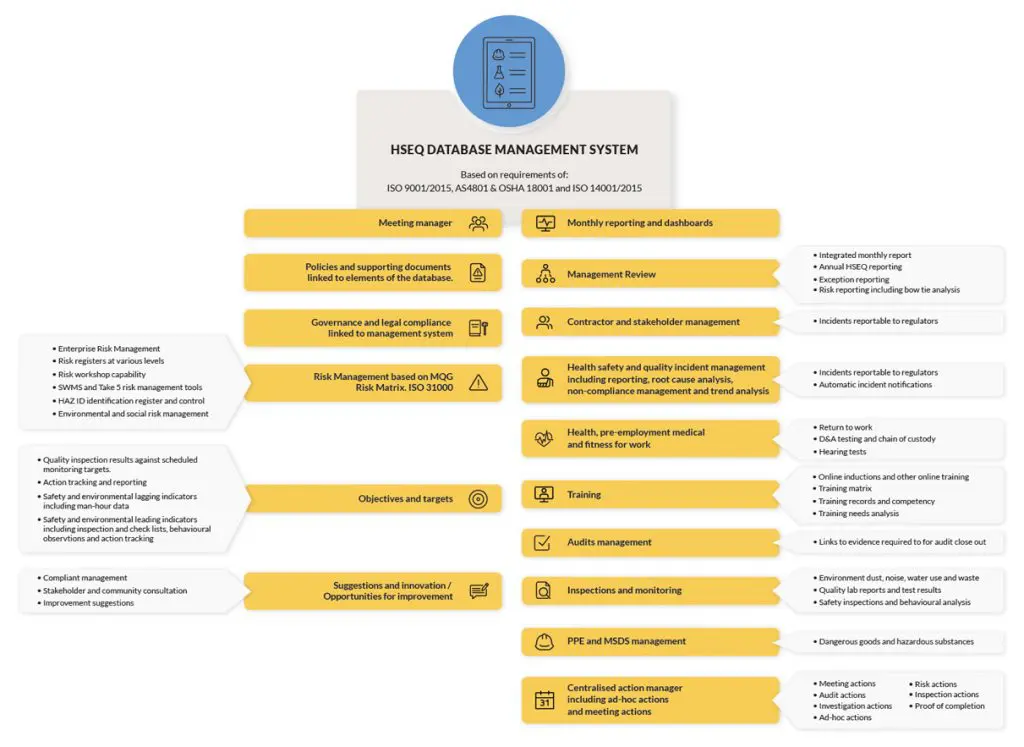
Get an overview of all of WHS Monitor's modules and how they help your business
Presented by systems specialist James Young
Get an overview of all of WHS Monitor's modules and how they help your business


I’m a Project Manager at WHS Monitor. We are trusted by teams in over 2,500 businesses Australia-wide, and our company has 25 years’ experience creating software solutions to keep Australian businesses compliant and safe.
When not at work, you’re likely to find me catching up with friends at my favourite wine bar. And I’m super passionate about staff wellbeing, hiking and photography.
Presented by systems specialist James Young
Get an overview of all of WHS Monitor's modules and how they help your business
